
Most of us have tried it. You wake up on a Monday, toss out the snacks, and promise to eat “perfectly” from now on. By Thursday, you’re tired, hungry, and ordering takeout. That doesn’t mean you failed. It usually means the plan was too big.
Building healthy eating habits works better when you start small and stay patient. This guide covers what healthy eating really looks like, how to take your first steps, and how to keep going when life gets busy. There are no strict rules and no miracle promises, just simple ideas you can try this week.
What Healthy Eating Habits Actually Look Like
Healthy eating habits are the everyday food choices you repeat until they feel normal. They aren’t a diet with an end date.
The World Health Organization describes a healthy diet as one with plenty of fruits, vegetables, legumes, nuts, and whole grains, while limiting free sugars, salt, and unhealthy fats.
In plain words, a balanced diet means eating a variety of real foods most of the time, in amounts that fit your body and your life. You can still enjoy cake at a birthday party. One meal doesn’t make or break your health.
Why Small Steps Beat Big Overhauls
Many beginners try to change everything at once. That’s exhausting, and it’s hard to keep up.
Habit research offers a useful clue. A well-known study from University College London followed 96 volunteers as they tried to turn a simple behavior, like eating a piece of fruit with lunch, into a daily habit. On average, it took about 66 days for the behavior to feel automatic. The range was huge, from 18 to 254 days. Missing a single day didn’t derail the process.
The takeaway is to be patient with yourself. Habits take time, and slip-ups are normal.
How to Eat Healthy: 6 Simple Steps for Beginners
These healthy eating tips are meant to be tried one at a time. Don’t rush through them.
Step 1: Choose One Small Goal
Pick a change that feels almost too easy. You might eat one fruit with breakfast or swap one sugary drink for water. Stick with it for a couple of weeks before adding anything else.
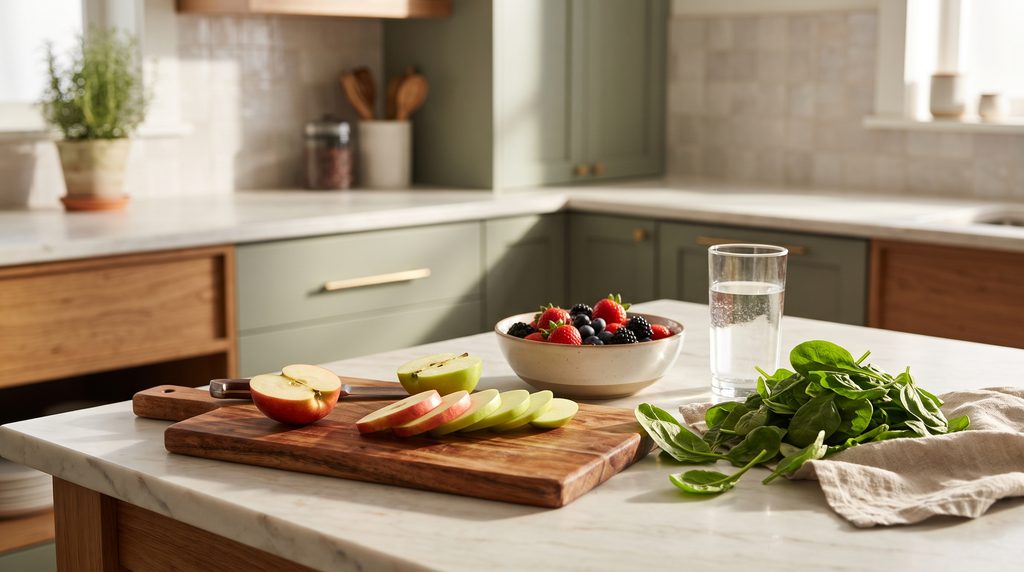
Try this simple formula: “After I [something I already do], I will [new habit].” For example, “After I pour my morning coffee, I’ll wash an apple.” Attaching a new habit to an existing routine makes it easier to remember.
Step 2: Add Before You Subtract
Instead of banning foods, start by adding some. Toss spinach into your eggs, put beans in your soup, or add a side salad to dinner.
The WHO suggests eating at least 400 grams of fruits and vegetables a day, which is about five portions. Treat that as a goal to grow toward, not a test to pass on day one. When your plate has more nutritious foods on it, there’s often less room for the rest, and you don’t have to feel deprived.
Step 3: Use a Simple Plate Guide
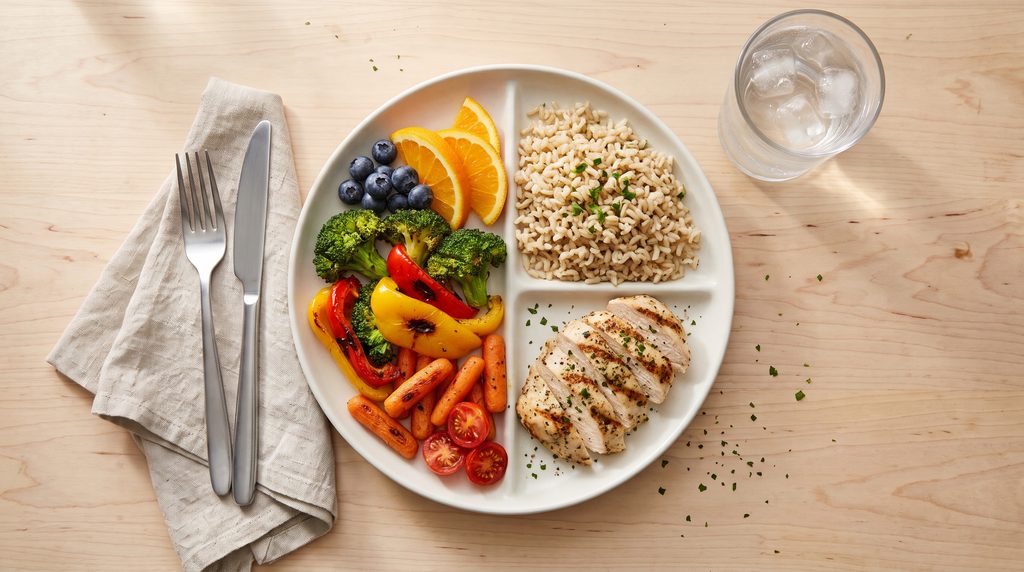
Counting calories can be confusing when you’re new to this. A picture of a plate is easier.
The USDA’s MyPlate suggests filling about half your plate with fruits and vegetables, with the other half split between grains and protein foods, plus dairy or a dairy alternative on the side. Harvard’s Healthy Eating Plate gives a similar picture. It stresses whole grains, healthy proteins, plant oils, and water as your main drink.
Use these as a starting point. Your culture, budget, and food preferences matter too.
Step 4: Plan a Little (Not a Lot)
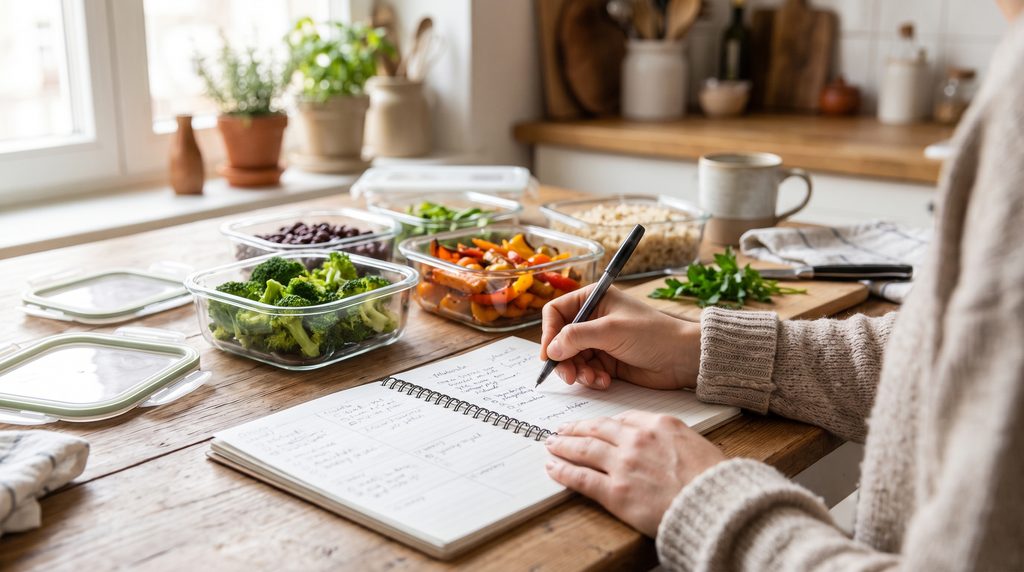
You don’t need a full day of meal prep to get the benefits of meal planning. Start by deciding on dinner for just three nights this week. Keep a few easy backups at home, like frozen vegetables, canned beans, eggs, oats, and whole-grain bread.
When you’re tired, having something ready makes healthy food choices much easier.
Step 5: Learn to Read Food Labels

Labels sound boring, but they’re a great beginner skill. Check the serving size first, then look at added sugars, sodium, and fiber.
The WHO recommends keeping free sugars below 10% of your daily energy intake and keeping salt under 5 grams a day (about 2 grams of sodium). You don’t need to memorize these numbers. Just compare two similar products and pick the one with less added sugar or salt.
Step 6: Slow Down and Notice Hunger
Eat at a table when you can, and put your phone down for a few minutes. Slowing down gives you a better chance to notice when you’re comfortably full.
You don’t have to track every bite. Just ask yourself, “Am I hungry, bored, or stressed?” There’s no wrong answer, and simply noticing is a useful first step.
A Real-Life Example (Hypothetical)
Imagine a student named Sara who skips breakfast and grabs chips between classes. This is a made-up example, not a real case.
Instead of overhauling her diet, Sara starts with one change. She packs a banana and a small handful of nuts in her bag. After two weeks, she adds a water bottle. A few weeks later, she begins adding a vegetable to dinner.
Nothing about this is dramatic, and that’s the point. Small, repeatable changes are easier to keep than a perfect plan that falls apart in a week.
Common Mistakes Beginners Make
- Going too strict. Rigid rules often lead to burnout.
- Calling foods “good” or “bad.” This can make eating stressful. Think “more often” and “less often” instead.
- Skipping meals to make up for a big one. This can leave you extra hungry later.
- Copying someone else’s plan. What works for a friend may not suit your schedule, budget, or health needs.
- Expecting fast results. Healthy eating habits are a long-term practice, not a quick fix.
Helpful Tools (Affiliate Disclosure)
You don’t need special products to eat well. Still, a few basics can make things easier: reusable meal containers, a good water bottle, a basic kitchen scale, or a simple meal-planning notebook.
Disclosure: If we link to products on Zavexia.com, we may earn a small commission at no extra cost to you. We only mention items that are genuinely relevant, and none of them are required to eat well.
When to Ask a Professional
If you have a medical condition, a food allergy, or take regular medication, or if you’re pregnant or have a history of disordered eating, talk to your doctor or a registered dietitian before changing your diet. This article is for education only and isn’t personal medical advice.
C. Practical Table: Your 6-Week Starter Plan
Add one habit at a time. Keep the earlier ones going if you can, but don’t worry if one slips. Adjust everything to your schedule, culture, and food preferences.
| Week | Habit Focus | Example Action |
|---|---|---|
| 1 | Add fruit | Eat one fruit with breakfast or as a snack |
| 2 | Swap a drink | Replace one sugary drink a day with water or unsweetened tea |
| 3 | Add vegetables | Fill about half your lunch or dinner plate with vegetables |
| 4 | Plan ahead | Choose three dinners in advance and stock easy backups |
| 5 | Read labels | Compare the added sugar in two similar products |
| 6 | Eat mindfully | Have one distraction-free meal each day |
D. FAQ
How long does it take to build healthy eating habits?
It varies. In the University College London study, the average was about 66 days, but individuals ranged from 18 to 254 days. Focus on steady progress, not a deadline.
What’s the easiest healthy eating habit to start with?
Adding one fruit or vegetable to a meal you already eat is a simple place to begin. Swapping one sugary drink for water is another easy option.
Do I have to give up my favorite foods?
No. Health guidelines focus on limiting certain things, such as free sugars and salt, not eliminating foods completely. Enjoying favorite foods in reasonable amounts is part of a sustainable approach.
Is healthy eating expensive?
It doesn’t have to be. Frozen fruits and vegetables, canned beans, oats, eggs, and seasonal produce are often budget-friendly. Check labels for added salt or sugar on canned and packaged items.
What if I slip up?
Just get back to your next meal. In the habit study mentioned above, missing a single opportunity didn’t seriously affect the process of forming a habit.
Do I need to count calories as a beginner?
Not necessarily. Many beginners do well starting with plate-based guides and simple habits. If you have a specific health goal or condition, a registered dietitian can give personalized guidance.
E. Conclusion
Building healthy eating habits isn’t about being perfect. It’s about showing up for small choices again and again: a piece of fruit at breakfast, a glass of water instead of soda, a few planned dinners, a quick look at a food label.
Start with one step from this guide. Give it a few weeks, then add another. Some days will go well and others won’t, and that’s okay. Over time, those small choices add up to a way of eating that feels natural instead of forced.
If you have health concerns or special dietary needs, check in with a doctor or registered dietitian. Otherwise, pick your first habit today and give it a try.