It’s 3 p.m. Lunch is a distant memory, and the vending machine is calling your name. Sound familiar?
Snacks get a bad reputation when you’re watching your weight. But the right ones can actually help. The trick is choosing snacks that keep you full instead of leaving you hungry again in an hour.
This guide shares 15 easy healthy snacks for weight management, plus simple rules for building your own. There are no magic foods and no strict rules, just practical ideas you can try this week.
Can Snacking Help With Weight Management?
It can, but it isn’t required. Mayo Clinic’s weight management community blog, written by a dietetic intern, says planned, mindful snacking can be a helpful tool, but it isn’t a one-size-fits-all approach. If you feel best on three meals a day, that’s perfectly fine. mayoclinic
For many people, a good snack takes the edge off hunger. That can make it easier to avoid grabbing whatever is nearby, or overeating at dinner.
Keep your expectations realistic, though. The CDC says people who lose weight gradually, about 1 to 2 pounds a week, are more likely to keep it off than people who lose weight quickly. Snacks are one small piece of the puzzle, alongside sleep, activity, and your overall eating pattern. cdc
What Makes Healthy Snacks for Weight Management Work?
Think of a helpful snack as having three parts.
Fiber Plus Protein
High-fiber foods take longer to digest and add volume, so you feel full on fewer calories. Protein and fats are also digested more slowly than carbohydrates, which can leave you feeling more satisfied. mymlcmayoclinic
Putting them together is a simple, reliable formula. An apple with peanut butter is a classic example.
A Sensible Portion
Healthy food still has calories. Nuts, nut butter, and dried fruit are nutritious, but they’re easy to overeat straight from the bag. Practicing portion control is simple: put your snack in a small bowl or container before you start eating.
Low Added Sugar and Salt
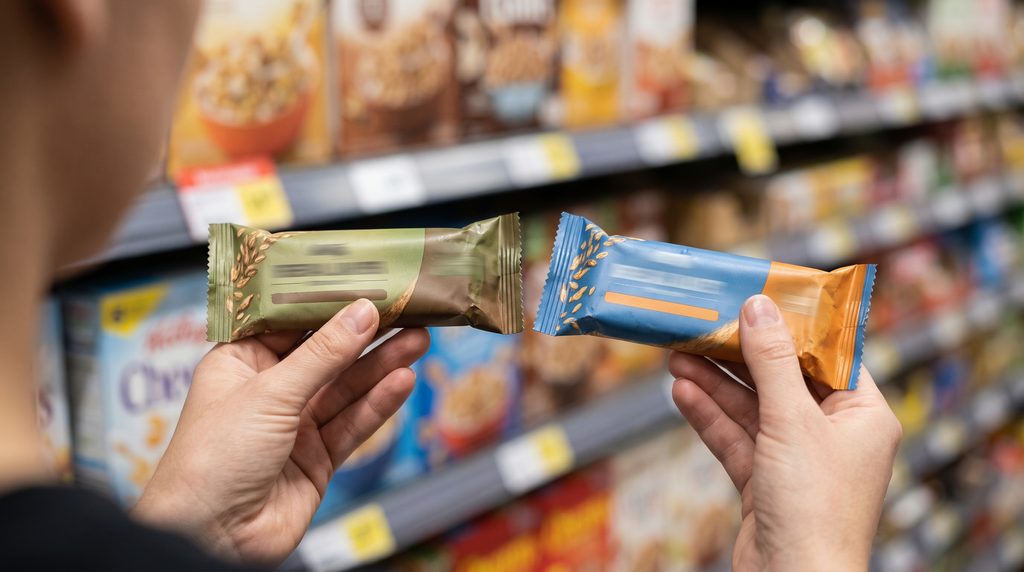
Packaged snacks can look healthy while hiding a lot of added sugar or sodium. The Nutrition Facts label shows the serving size, added sugars, and sodium, so check those first.
15 Easy Snack Ideas You Can Try This Week
These ideas are starting points, not rules. Adjust the amounts to your appetite, activity level, and health needs. If you have a food allergy, skip anything that doesn’t fit.
High-Protein Snacks
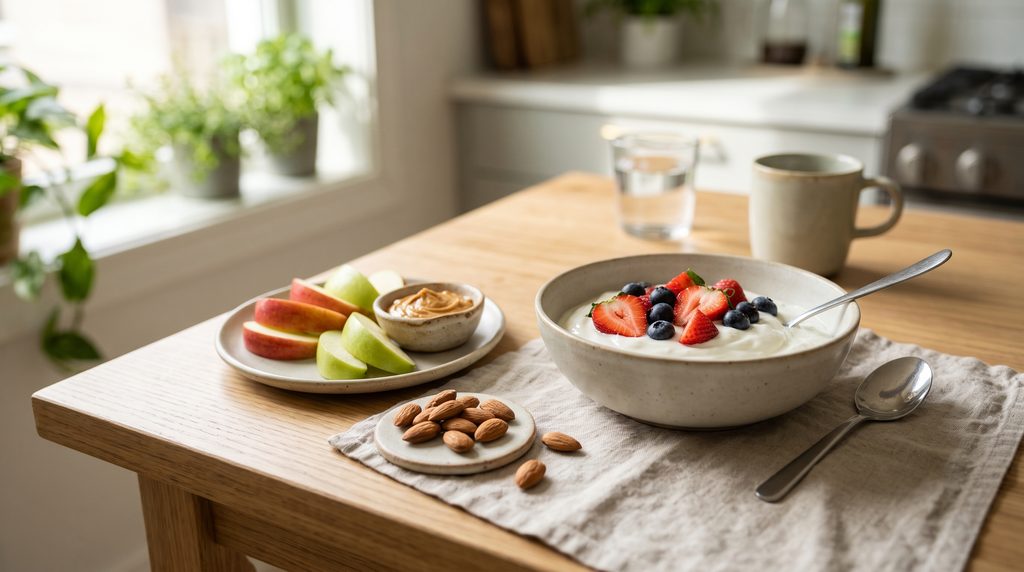
- Plain Greek yogurt with berries. Skip the sweetened versions and let the fruit add the sweetness.
- Hard-boiled eggs. Cook a batch on the weekend, then grab one when hunger hits.
- Cottage cheese with cucumber or tomato. Creamy, savory, and ready in two minutes.
- Edamame. Steam it from frozen and add a light sprinkle of salt.
- Roasted chickpeas. They’re crunchy and filling. Choose lightly salted ones.
Fruit and Veggie Snacks
- Apple slices with peanut butter. About one tablespoon of peanut butter is plenty.
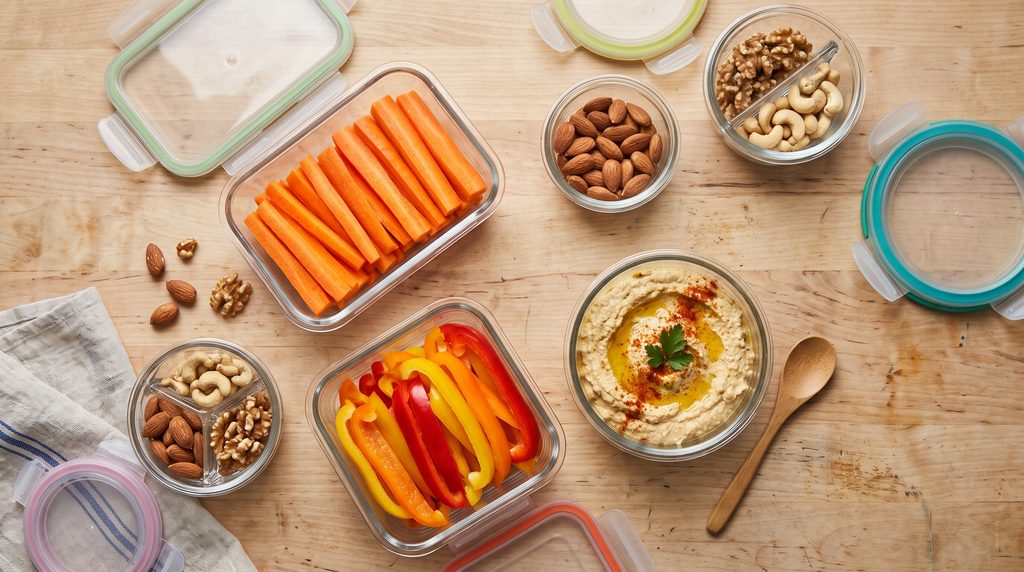
- Carrot and bell pepper sticks with hummus. These are easy to prep for the whole week.
- Berries with a small handful of almonds. Sweet, crunchy, and easy to pack.
- Pear slices with a piece of cheese. This pairs fiber with protein.
- Cucumber slices with guacamole. Avocado adds healthy fats that help you feel satisfied.
Crunchy and Savory Snacks
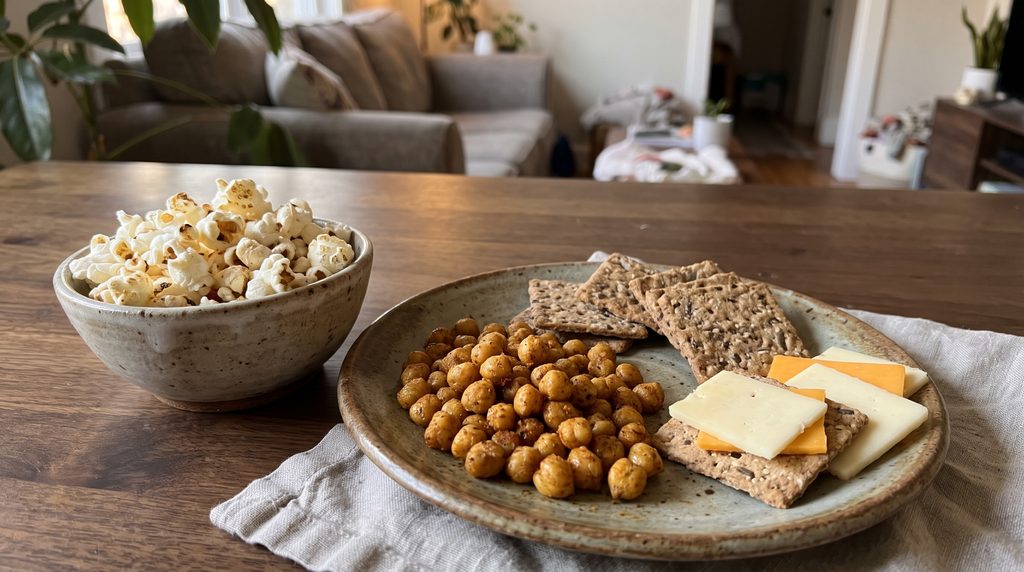
- Air-popped popcorn. It’s a whole grain. Go easy on the butter and salt.
- Whole-grain crackers with tuna or cheese. Check the label for fiber and sodium.
- Unsalted mixed nuts. Measure out a small handful, about one ounce, before you start eating.
Snacks for Sweet Cravings
- Frozen grapes. They’re cold, sweet, and slow to eat.
- A square of dark chocolate with strawberries. A small treat can keep a sweet tooth happy without a full dessert.
Simple Ways to Snack Smarter
Good choices are easier when you have a plan.
- Ask what you need. Are you hungry, bored, or stressed? A snack only fixes one of those.
- Prep ahead. Wash fruit, cut veggies, and portion nuts once for the whole week.
- Use a plate or bowl. Eating from the bag makes it hard to notice how much you’ve had.
- Slow down. Fullness signals take a little while to reach your brain, so eat without a screen when you can.
- Keep good options visible. Put fruit on the counter and keep the cookies out of sight.
A Hypothetical Example
Picture Maya, an office worker who raids the break room around 3 p.m. (This is a made-up example, not a real case.) She doesn’t ban snacks. She just brings plain Greek yogurt and a small container of berries from home.
She still gets a snack, but now it has protein and fiber, and she isn’t grabbing whatever is closest. Small switches like this are easier to keep up than a complete food overhaul.
Snack Mistakes to Avoid
- Trusting the front of the package. Granola bars, flavored yogurts, and “diet” snacks can be high in added sugar. Flip the package over and read the label.
- Snacking out of habit. If you’re not hungry, try water or a short walk first.
- Skipping meals to “save room” for snacks. This can leave you extra hungry and more likely to overeat later.
- Copying someone else’s plan. Your needs, schedule, and budget are different, so build a routine that fits you.
Helpful Tools (Affiliate Disclosure)
You don’t need anything fancy to snack well. Reusable snack containers, a small insulated lunch bag, or a basic kitchen scale can make portioning easier.
Disclosure: If we link to products on Zavexia.com, we may earn a small commission at no extra cost to you. We only mention items that are genuinely relevant, and none of them are required.
When to Talk to a Professional
If you have diabetes, kidney disease, a food allergy, or another health condition, or if you take regular medication, are pregnant, or have a history of disordered eating, talk to your doctor or a registered dietitian before changing how you eat. This article is for education only and isn’t personal medical advice.
C. Practical Table: Snack Builder
Pick one item from each column. Mix and match to build your own snack.
| Protein or Healthy Fat | Fiber Partner | Example Snack |
|---|---|---|
| Plain Greek yogurt | Berries | Yogurt berry bowl |
| Peanut butter (1 tbsp) | Apple slices | Apple “sandwiches” |
| Hummus | Carrots and bell peppers | Veggie dip plate |
| Cheese | Pear slices | Pear and cheese plate |
| Almonds (small handful) | Fresh fruit | Fruit and nut mix |
| Hard-boiled egg | Cherry tomatoes | Egg and tomato cup |
D. FAQ
Is snacking good or bad for weight management?
It depends on the person. Planned, balanced snacks can help some people manage hunger, but snacking isn’t required. What matters most is your overall eating pattern.
How many calories should a healthy snack have?
There’s no single right number. It depends on your age, size, activity level, and goals. A registered dietitian can help you find a range that fits you.
What are the best snacks to keep me full?
Snacks that combine protein or healthy fat with fiber tend to be more filling. Greek yogurt with berries and hummus with veggies are two examples.
Are nuts okay when I’m managing my weight?
Yes, in small portions. Nuts are nutritious but calorie-dense, so measure a small handful. Choose unsalted or lightly salted types, and avoid them if you have a nut allergy.
How often should I snack?
Let your hunger and schedule guide you. If there’s a long gap between meals, one planned snack may help. If you aren’t hungry, you can skip it.
Are packaged “healthy” snack bars a good choice?
Some are, but many contain added sugar. Check the Nutrition Facts label for added sugars, sodium, and fiber, and compare it with whole-food options like fruit or nuts.
E. Conclusion
The best healthy snacks for weight management are simple. They combine protein or healthy fat with fiber, come in a sensible portion, and don’t rely on lots of added sugar or salt.
You don’t need to try all 15 ideas at once. Pick two or three that sound good, prep them on the weekend, and see how you feel. Some days you’ll snack on autopilot, and that’s okay. You can try again at the next meal.
If you have health concerns or special dietary needs, check in with a doctor or registered dietitian. Otherwise, grab an apple and a spoonful of peanut butter, and you’ve already started.